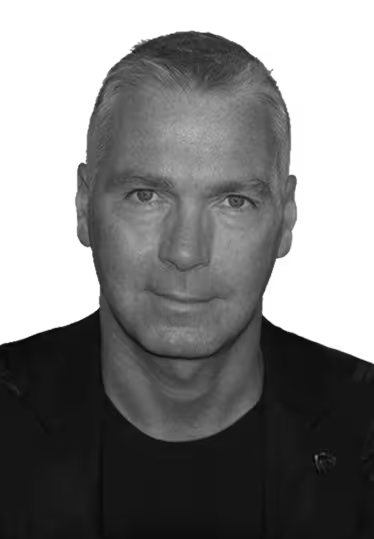
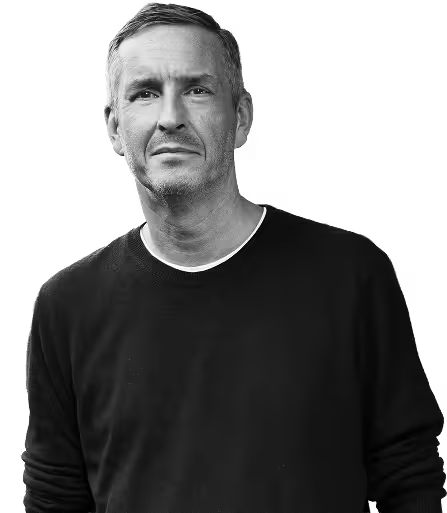
Walter Van beirendonck
OUT OF MEASURE
In a world that measures you, Walter doesn’t fit.
FOLLOW ALONG
Break the grid

From the moment you enter the world, you are placed inside grids: sizes, standards, categories, expectations. There is always a chart that tells you what is normal enough, too much or too little. It looks calm and organized at first, but the longer you stay inside that system, the tighter it feels.
normal
lay low
success
Click away the norms
expectations
fit in
balance

In the spirit of Walter Van Beirendonck, freedom of speech and expression is not about rebellion alone, but about release. When rigid structures fall away, space opens up to exist honestly, without restraint or apology. This moment is being free. Free to speak, to feel, to show who you truly are. Expression becomes relief, joy, and movement. No walls, no rules. Just the freedom to be yourself.
Later, he will graduate from the Royal Academy of Fine Arts in Antwerp, become one of the Antwerp Six, lead the fashion department for many years and build an entire world under his own name. But the basic tension never changes: a measuring society on one side, and an “out of measure” imagination on the other.
“Fashion is communication,” Walter likes to say. “First and foremost, I’m telling stories and reflecting reality, the actual situation of the world.” He does not design to fit bodies into standards, but to measure the world to test its fears, its violence, its dreams – against his own visual language.
Walter Van Beirendonck was never interested in fitting in. For him, conformity was a limitation rather than a goal . By exaggerating color, form, and identity, he chose to stand outside the norm and expose how rigid society’s expectations can be. His work shows that not fitting in is not a failure, but a deliberate and powerful position.
“Fashion is communication. First and foremost, I’m telling stories and reflecting reality, the actual situation of the world.”
Spring - Summer 2017
Why Is a Raven Like a Writing Desk?
As the years go on, the grid speeds up. News cycles, terror attacks, climate reports, social media feeds: a constant stream of crisis and opinion. People want simple answers, clear heroes and villains, a story that makes sense again.
But for Walter, the questions themselves have become unstable. The world feels like a riddle with no solution closer to Lewis Carroll’s absurd question, “Why is a raven like a writing desk?”, than to a clean political narrative.
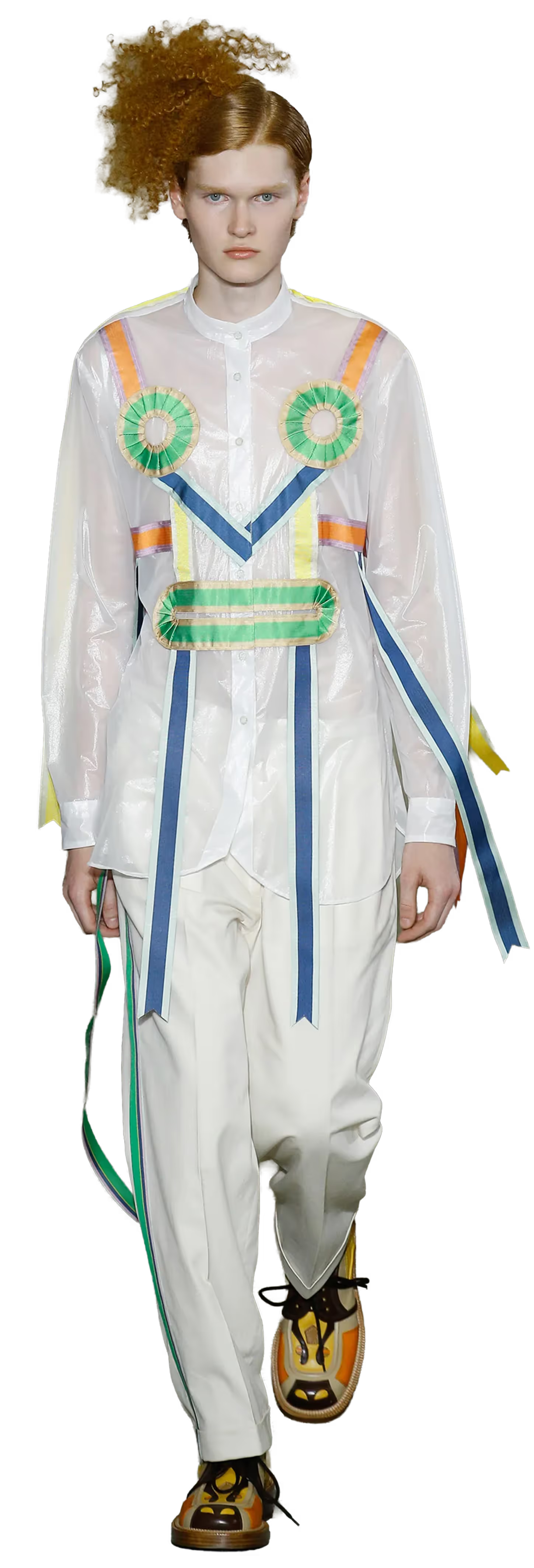
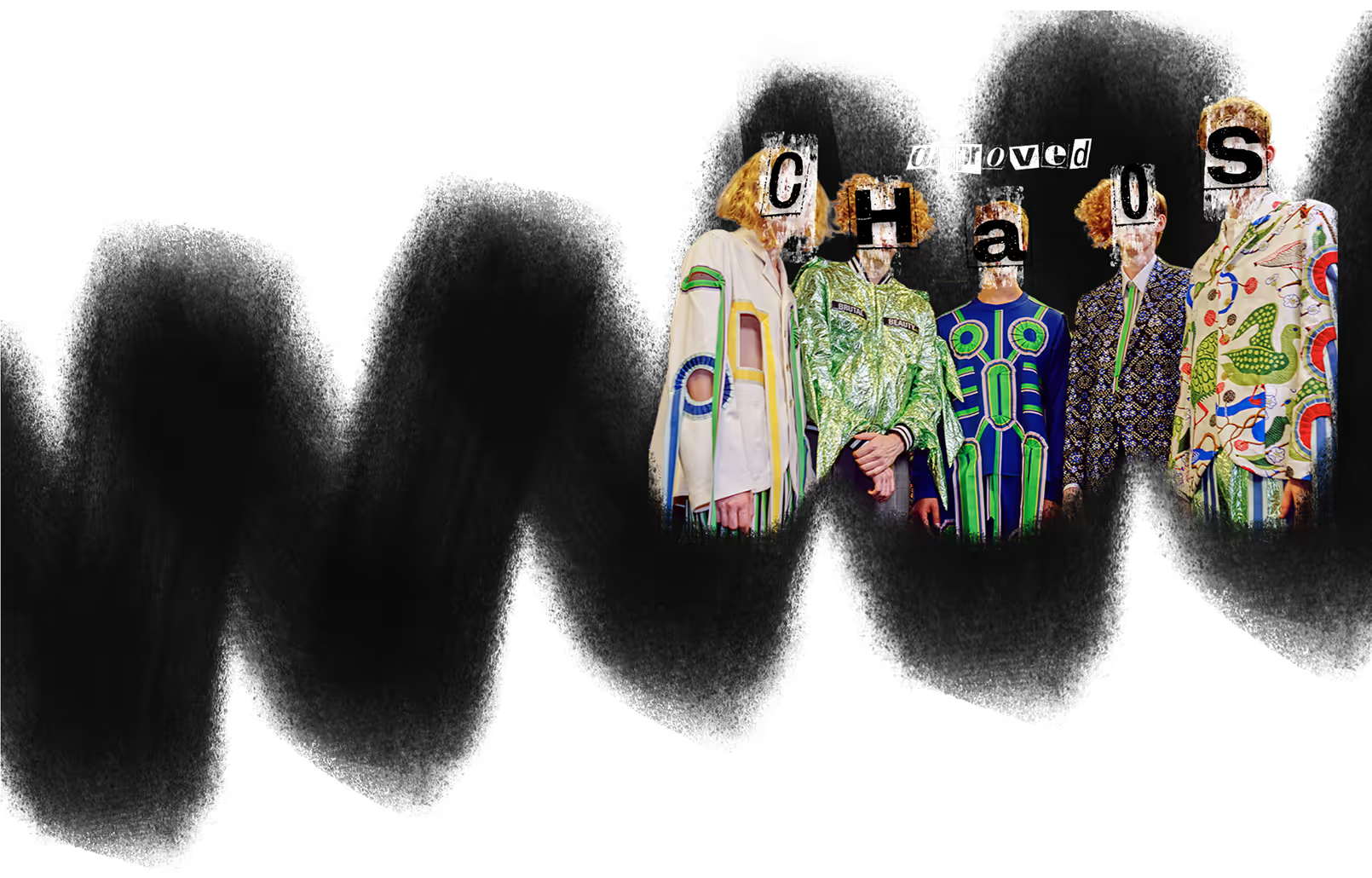
His Spring–Summer 2017 collection, Why Is a Raven Like a Writing Desk?, turns that feeling into clothing. Walter does not explain the chaos; he dresses it. Models walk out in cartoon masks, clashing prints, hybrid silhouettes and bodies overloaded with signs and symbols. The first impression is almost comical: bright colours, playful graphics, a sense of costume.
Then the unease kicks in. The overload feels familiar: it echoes the way headlines, hashtags, conspiracy theories and images pile up in our feeds. These are not costumes for a happy fantasy but uniforms for surviving information overload – too much input, too little meaning.
Walter does not try to reduce the complexity to a neat message. “The world is constantly changing,” he has said, “and that gives new ideas, new inspirations.” Instead of pretending that things can be simplified, he leans into absurdity. When nothing adds up, he refuses to turn down the volume. He turns it up until absurdity becomes a mirror of reality.

"The world is constantly changing and that gives new ideas, new inspirations."
Autumn–Winter 2020–21
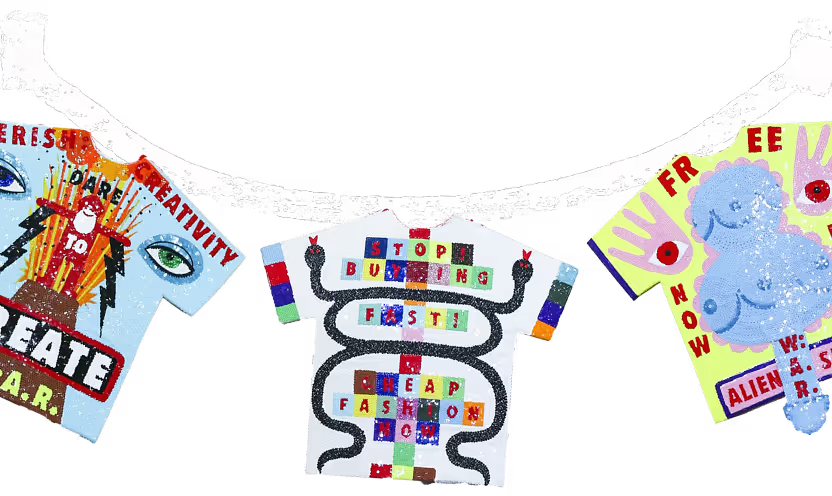
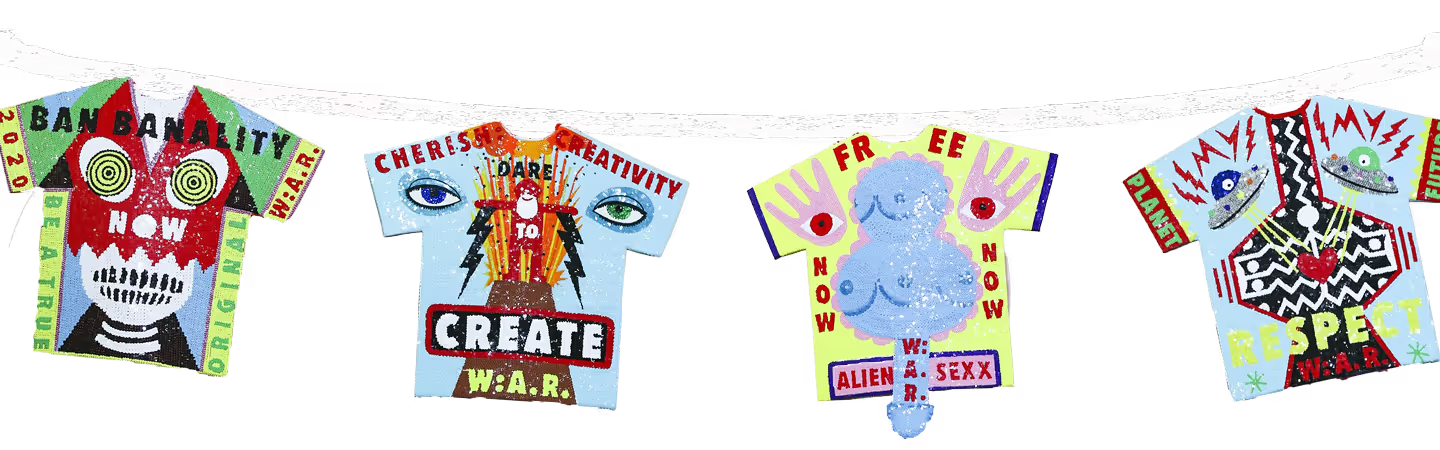
W.A.R., Walter About Rights
Chaos is one thing; having a position inside that chaos is another.
With his Autumn–Winter 2020–21 collection W.A.R. Walter About Rights, Walter shifts from reflecting confusion to openly taking a stand.
W.A.R. does not stand for weapons and military conflict; it stands for Walter About Rights – rights and responsibilities in a world where freedom feels increasingly fragile. The collection is driven by politics, ecology and the human ability to express oneself through art, music, sexuality and clothing. Walter has said that this collection is "about the freedom to enjoy beauty and to express yourself, at a moment when everything has become more sensitive and more restricted." He sees a society where public space, speech and difference are under pressure, and he uses the runway to state that clearly.
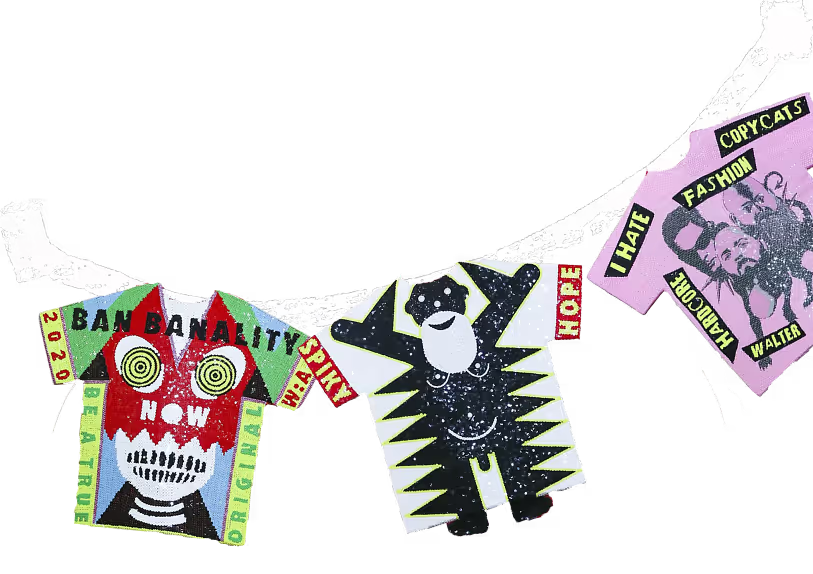
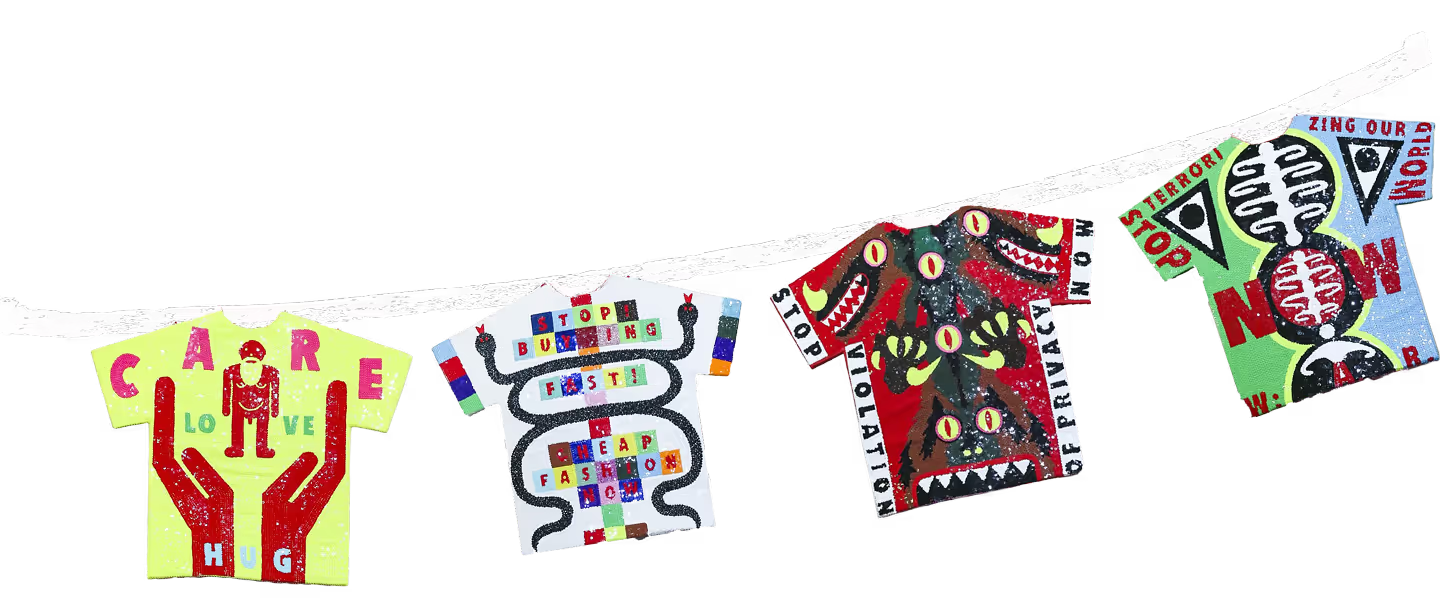
Discover the oufits of w:a.r.
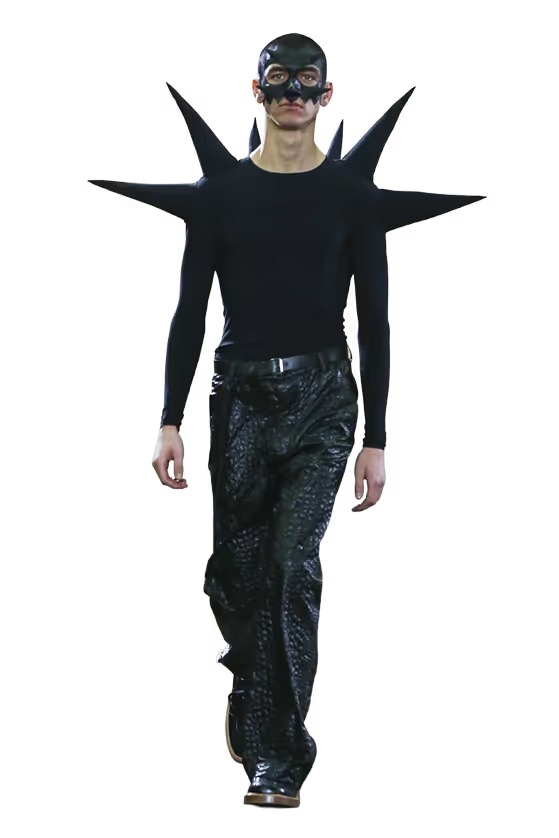
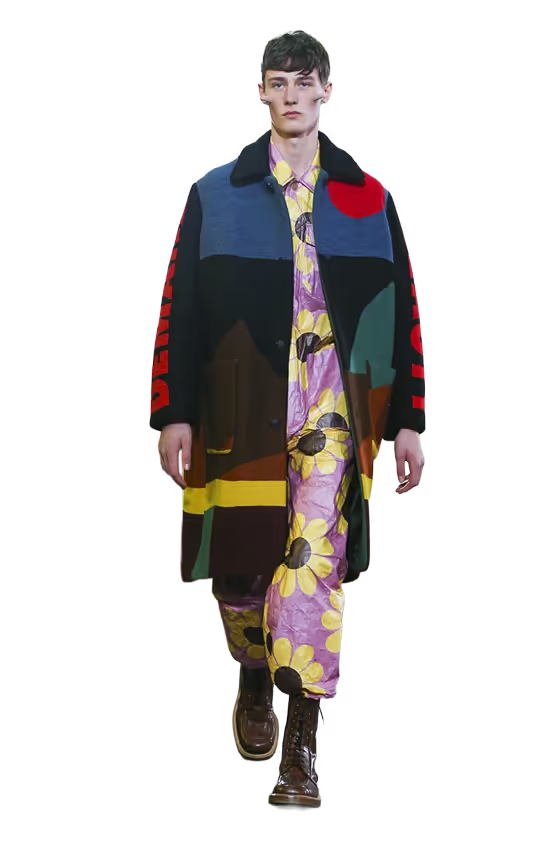
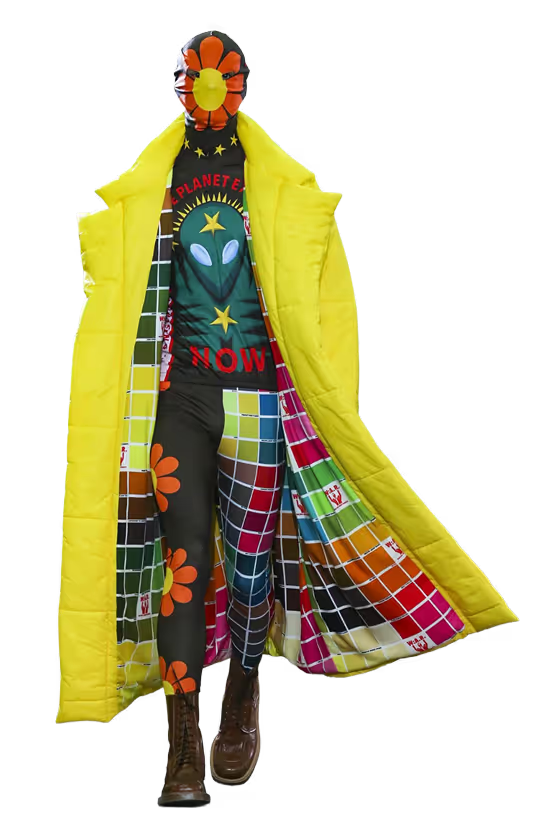
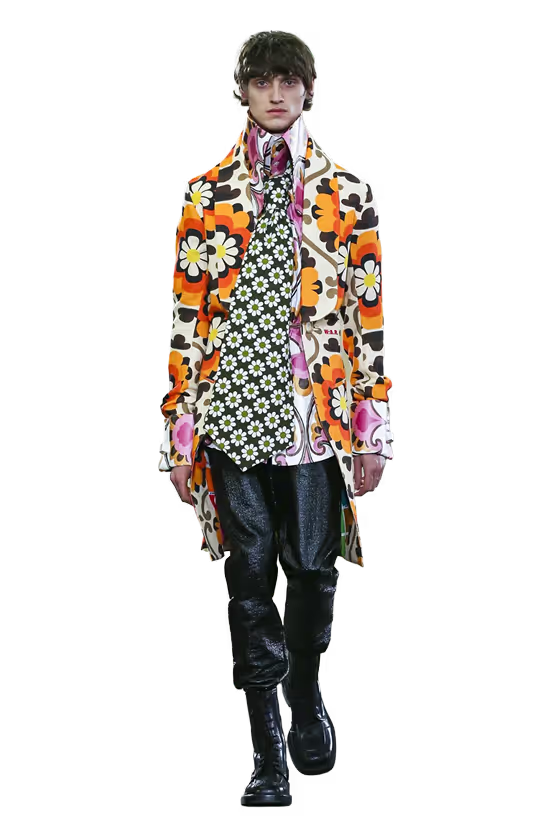
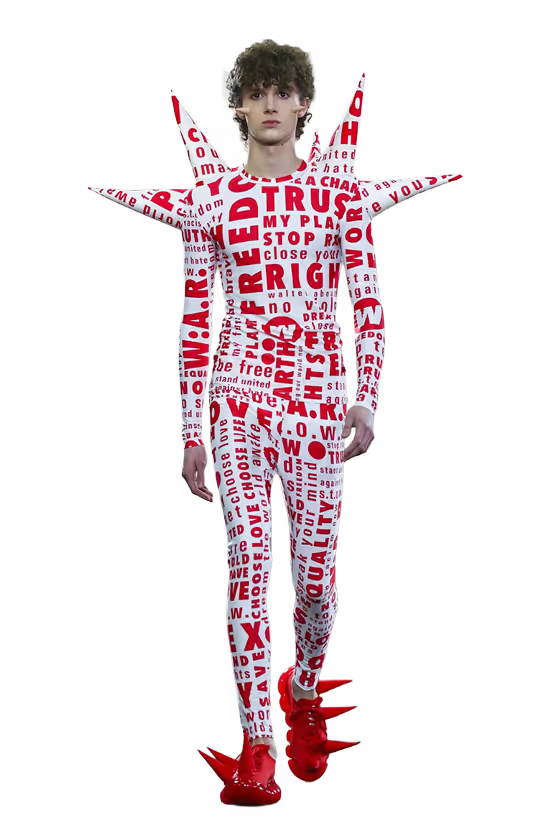
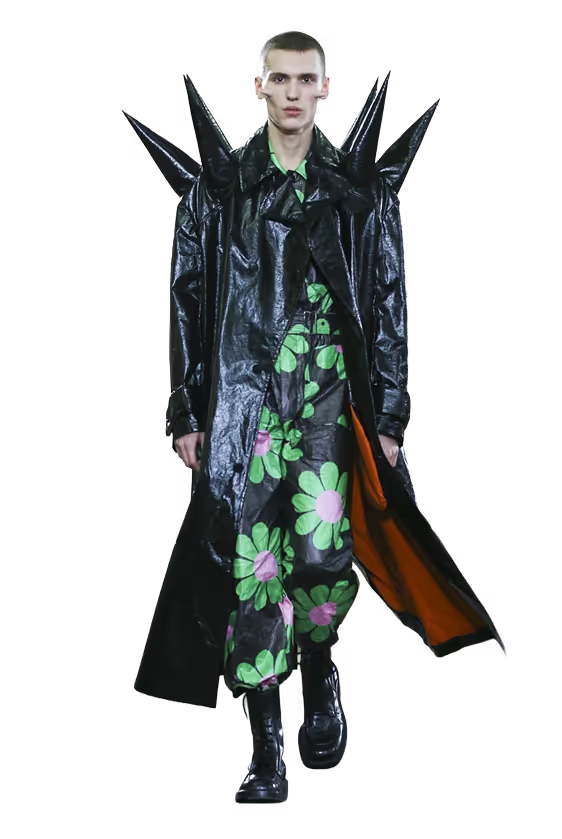
On the garments, slogans appear as moving billboards.
Rectangular silhouettes, protest‑like shapes, flower prints and morph masks collide on bodies that look
like
they
are
marching rather than simply modelling.
A joyful surface hides a serious insistence: the right to
create,
to
care
for
the
planet, to be different, to live with pleasure and diversity.
Walter has always insisted that fashion is not neutral. In his words, the
runway
is
a place to “make stories and
statements through collections, through garments, through T‑shirts and slogans.” In W.A.R.,
a coat
becomes a
shield,
a
sweater becomes a shout and a mask becomes a reminder that both humans and the planet need protection.
Flowers clash with warnings; soft colours carry hard words. W.A.R. is not about uniforms that make everyone look the same, but about refusing silence when rights are under threat.
say it or
wear it?
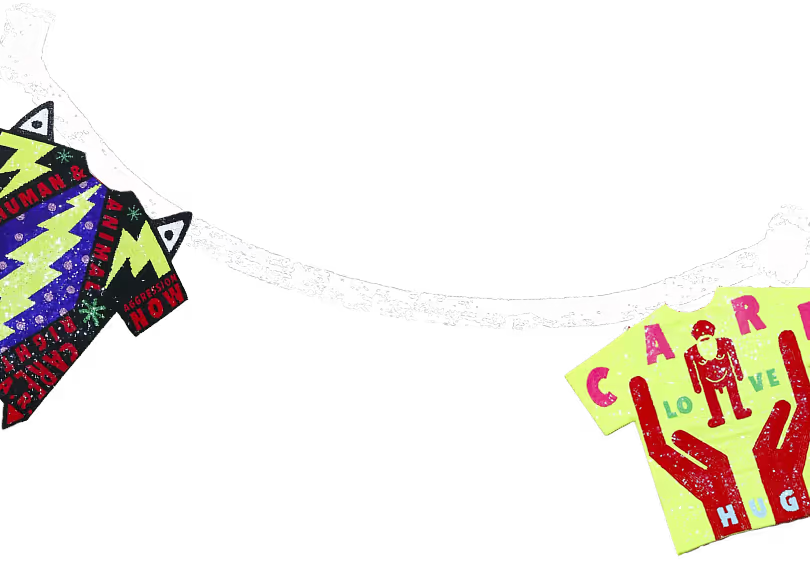
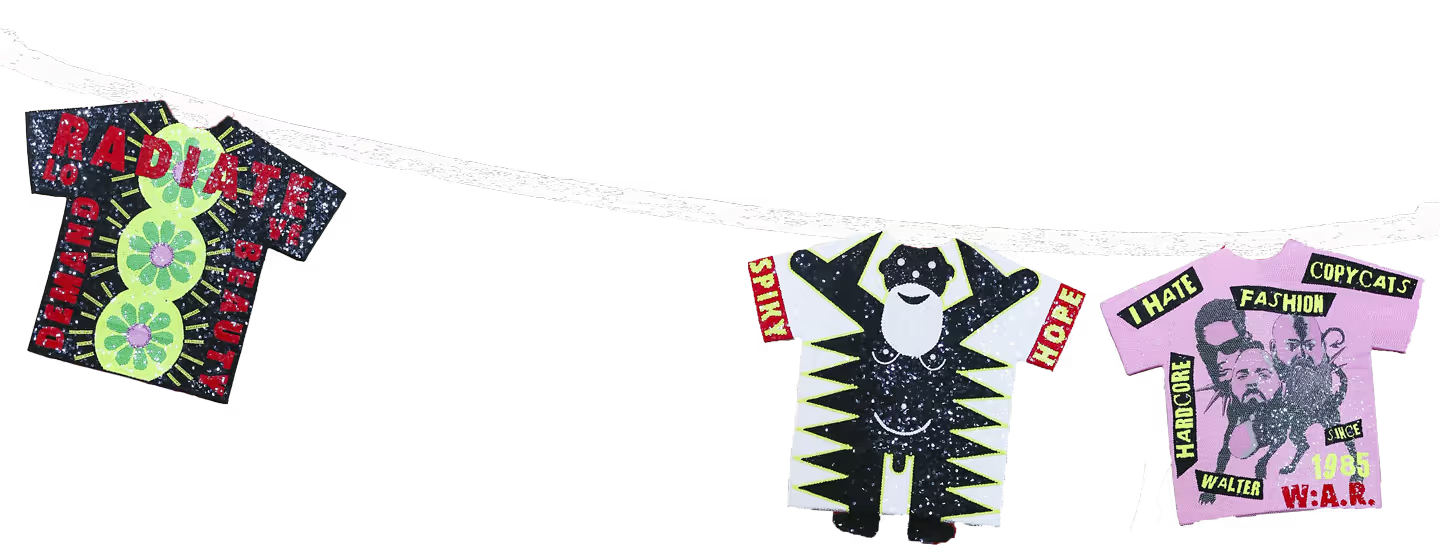
If you could put 1 word on your chest for
today, what would it be?
Walter’s Lens on the World
W.A.R. is not an isolated political moment in Walter’s career. For four decades, his collections have spoken about war and peace, AIDS, sexuality, ecology, terrorism, consumerism and loneliness. In the 1990s, slogans like SAFE SEX covered latex‑wrapped bodies in collections that turned the runway into a campaign for sexual health and responsibility. Other shows staged comic‑strip battles where soldiers for nature and fun fought grey, smoky bears of boredom and conformity. Skeleton body bags spelling “Stop terrorizing our world!” made the cost of real conflicts uncomfortably visible.
The tension is always the same: bright, playful surfaces carrying dark, urgent messages. Walter himself explains why: he is not interested in adding heavy statements to heavy looks. Instead, he wants an uplifting first impression that invites people in – and only then reveals deeper layers of meaning.

Pick your sight!


The world is rosy for me. I don't see any problems. We're fine!

Everything is unclear and uncertain. Can't see the way forward.

Looking deeper into the details and reality of the situation.
“If you only shout, people stop listening”
“If you only shout, people stop listening,” he suggests. Humour opens doors; absurdity disarms. Once people are paying attention, he can speak about war, climate crisis or empathy without losing them. His world is full of alter egos and symbols: Puk Puk, the extra‑terrestrial crocodile from planet Dork; Waltermann, a nude bearded pictogram of himself; aliens, crash test dummies, fetish gear and cartoon animals. They all function as tools to communicate ideas about freedom, gender, vulnerability and resistance.
Behind the masks and monsters stands a person who believes in tenderness, diversity and the possibility of better futures. Walter describes himself as strangely hopeful, someone who “still believes in the world” even while acknowledging that it can be frightening. That belief – that there are good people, that stories can still matter is the real statement stitched into his work.
Dare.Dare.Dare.Dare.
You, Leaving the Grid
Remember the grid from the beginning? The boxes, the sizes, the quiet, correct bodies. Those measurements will not disappear when this story ends. Society will keep trying to size your gender, your success, your beauty, your worth. Most of the time, the systems that measure you will not ask what you care about.
Walter does not offer instructions on how to fit better inside those lines. His work suggests something else: that you can stand out of measure and still be fully present in the world. His collections show bodies that are too colourful, too strange, too political, too tender to be reduced to a size chart.
SELECT A STICKER & GO BOLD!
When you visit, try this:
Ignore the labels for a moment. Look at one outfit as if it were a sentence. Ask yourself:
What is this outfit saying about the world I live in?
And do I agree with
it?
When you leave, the measuring will not stop. But maybe, after walking through Walter Van Beirendonck’s universe, you will know a little better how to laugh back, dress louder and claim more space outside the lines.
other fashion designers @ momu
This page is only one window into that world. In MoMu’s galleries, the clothes become real: stitching, weight, textures, mistakes, repairs, the energy of past shows. You can walk between mannequins, feel how close the garments sit to the body, and sense how far they reach beyond it.
Come visit us at Mode Museum Antwerpen, Nationalestraat 28, 2000 Antwerpen! Or take a look at our website for mote information: momu.be